
By Ronald D. Jones
Families often name the strengths they want to pass on: perseverance, generosity, discipline, faith in one another, resourcefulness. But a strength can become difficult to carry when it comes with an unspoken condition. Generosity can become “always say yes.” Discipline can become “never rest.” Loyalty can become “never disagree.”
Intentional legacy asks for more than repeating a valued word. It asks what that value looks like in practice—and whether the people receiving it also receive permission to use it wisely.
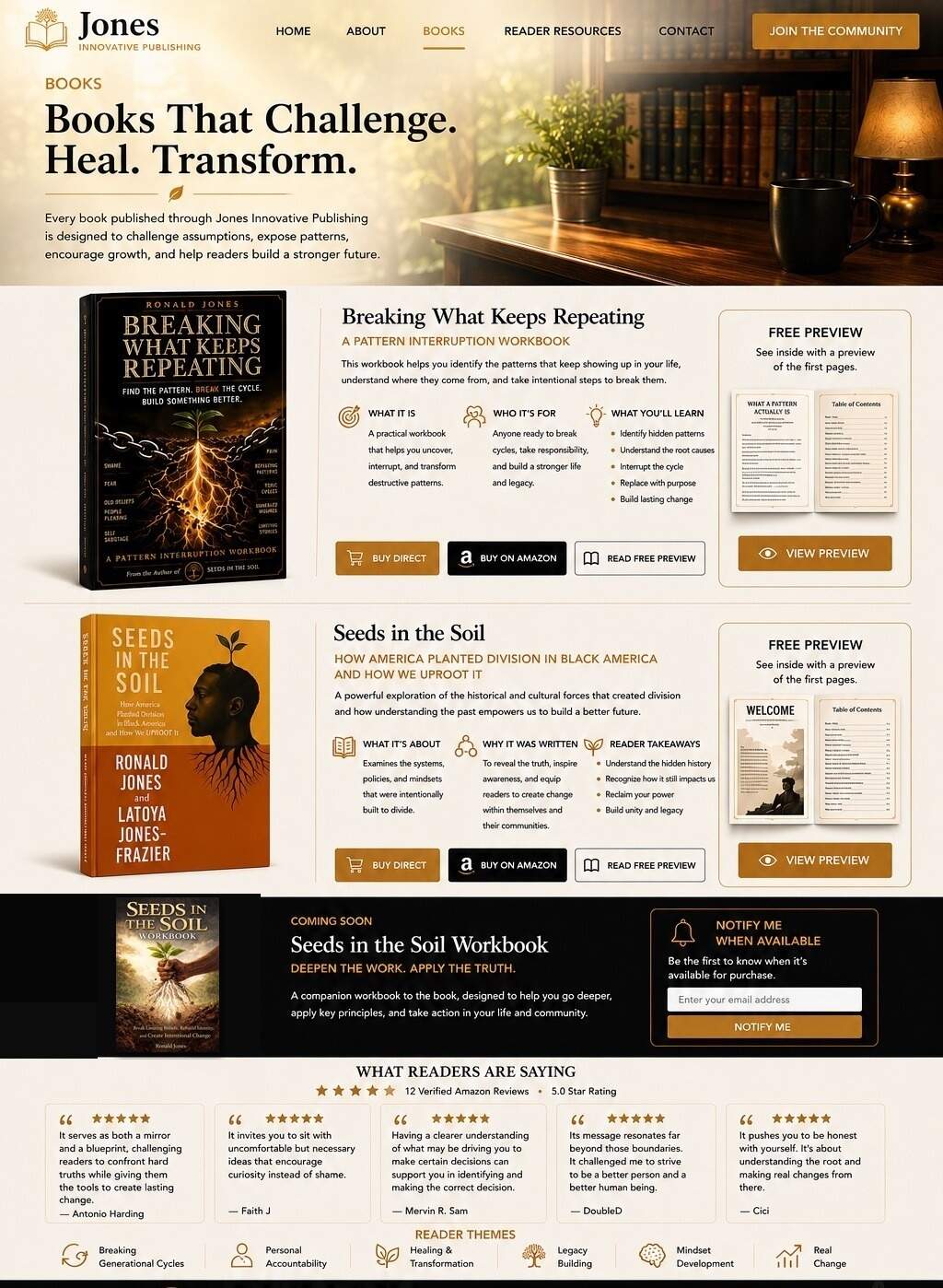
The foresight to leave a legacy is a stated part of Jones Innovative Publishing's mission. Foresight does not mean controlling what another person becomes. It means asking, while you still have choices to make, which habits are worth showing and which burdens you do not want to hand on.
Name the strength precisely
Pick one quality you value in your family. Avoid stopping at the label. Instead of “we are resilient,” ask what people actually did: showed up for one another, worked through a setback, shared what they had, or made space to begin again. You may find examples worth remembering, as well as limits those examples do not resolve.
Then ask what was expected in exchange. Did being dependable mean you could never say you were tired? Did protecting family mean avoiding a necessary conversation? These are questions, not accusations. You do not need to know another person's intentions to notice what you learned to do.
Keep the value; revise the condition
Write two sentences:
“I want the next person to learn ______ from us.”
“I do not want them to believe that requires ______.”
Perhaps you want a child, younger relative, friend, or colleague to learn generosity without believing their time belongs to everyone else. The action that follows could be saying yes thoughtfully, saying no respectfully, and allowing others the same choice. You do not need to be a parent to model a value someone else can witness.
Let the new version be visible
A legacy cannot be handed down by declaration alone. If you want people to learn that accountability matters, let them see you acknowledge a mistake and make a repair. If you want them to value rest as well as effort, make room for both where you can. The example does not have to be flawless to be honest.
Ask someone you trust what they actually see you practicing. Listen for differences between your intention and their experience. You might find a strength that is already coming through. You might also find a cost you did not realize was attached to it. Either observation gives you something specific to work with.
No one can guarantee what another person will take from their example. They have their own choices and circumstances. Your responsibility is smaller and more concrete: decide which practice you want to make available, show it consistently enough to be recognizable, and adjust when the impact differs from the intention.
Seeds in the Soil asks readers to consider what earlier conditions have planted and what people can choose to cultivate now. An intentional legacy can begin there: not by discarding every inherited strength, but by carrying the best of it without insisting that someone else carry its unnecessary cost.